Roof Repairs
Leak tracing and tile repairs across Blacktown, where hail damage and tired concrete tile drive most of the work.
Learn more →Roof inspections across Blacktown City for homeowners, buyers and storm claims. Photographed findings, plain-English report and an itemised quote.
They are buying. A roof is one of the most expensive things on a house to put right, and the one most easily glossed over in a five-minute walk-around.
They have had a storm. They need the damage recorded properly before anything is cleaned up, repaired or argued about.
They want to know where they stand. The roof is thirty-odd years old, nothing is leaking yet, and they would rather plan the spend than discover it through a ceiling.
All three start the same way: someone gets on the roof and looks.
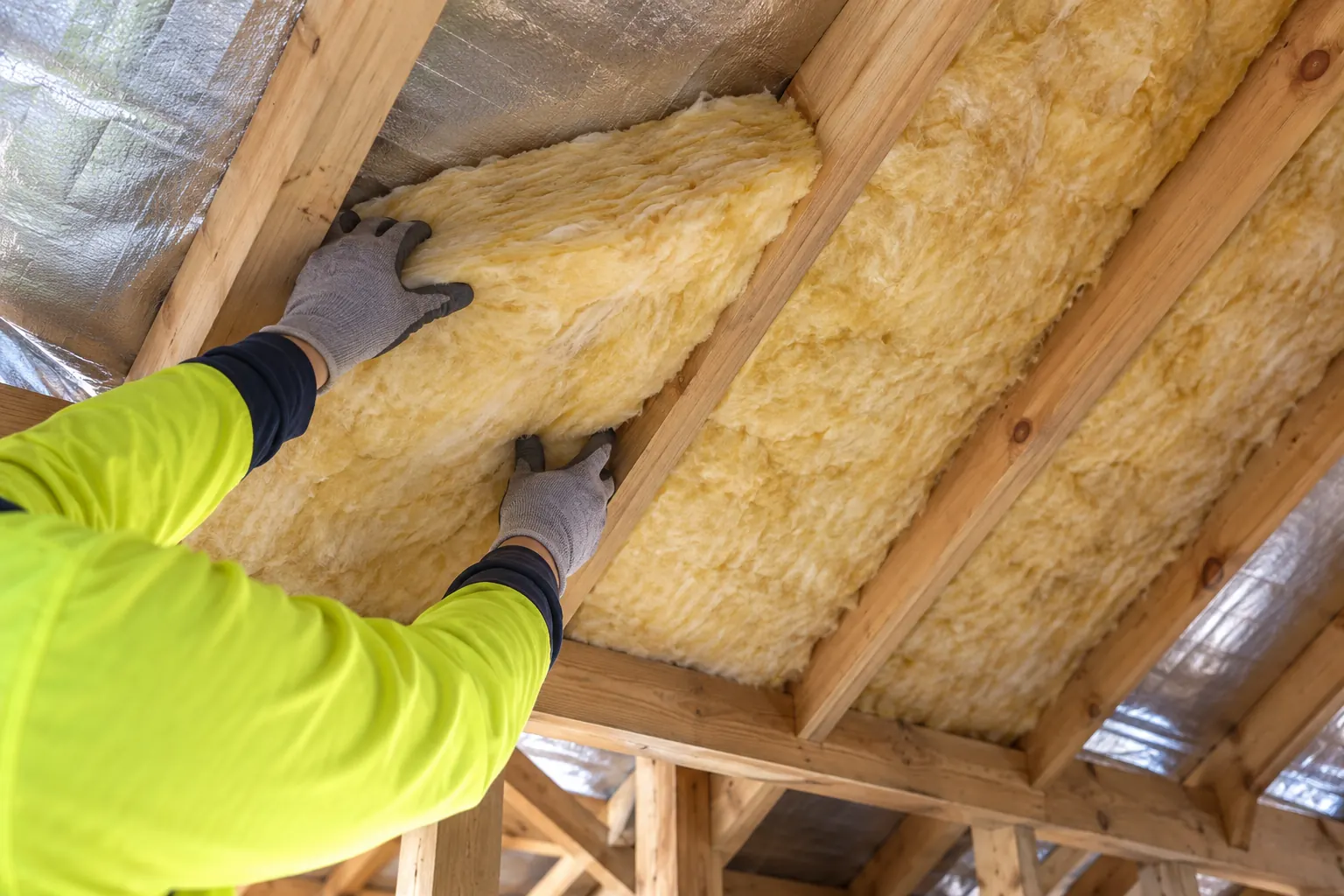
A written report containing:
The roof inspection and the written quote are free and carry no obligation. If you need something more formal for a particular purpose — a claim, a purchase, a strata matter — tell us what it is for when you call and we will confirm what is involved before anything starts.
Call (02) 4705 5200.
This council area makes the job unusually predictable, because the housing stock comes in distinct waves.
| Housing era | Typical roof | What we look hardest at |
|---|---|---|
| Post-war fibro and brick veneer | Original or once-replaced tile | Asbestos-era materials, undersized battens, no sarking, rusted valleys |
| Estate housing from the mid-1960s | Concrete tile, now 50+ years | Tile porosity and brittleness, failed bedding, whole-roof fatigue |
| 1980s and 1990s estates | Concrete tile, 30 to 45 years | Pointing, valleys, surface coating — usually restorable |
| 2000s onward | Colorbond and modern tile | Penetrations, flashing detail, fixings, gutter capacity |
Knowing which wave a house belongs to tells you what to expect before anyone opens a ladder. Checking it tells you what is actually there.
If you are buying anywhere between Lalor Park and Willmot, the roof is likely to be the same age as the street. That is useful information. If every house in the row was built in the same two years, the roofs are failing on the same timeline, and the one you are buying is unlikely to be the exception.
What we can give you is a condition assessment and a repair or replacement cost, which is a number you can take into a negotiation. What we are not is a licensed building inspector or a structural engineer — if there is a structural question, that is their field, not ours.
After a storm, the report matters more than the opinion. We photograph the damage with dates, describe the mechanism — hail impact, wind uplift, impact from debris — and quote the repair. Where part of the roof was already at the end of its life, we say so separately. That is not us arguing against you; it is what keeps a claim credible.
The full process is set out on the storm and emergency repairs page.
Across every suburb we serve, from Prospect and Seven Hills through Blacktown and Doonside to Shalvey, Willmot, Schofields and The Ponds.
Call (02) 4705 5200 or book a free inspection and you will get photographs and an honest read on your roof.
Leak tracing and tile repairs across Blacktown, where hail damage and tired concrete tile drive most of the work.
Learn more →Re-roofing for Blacktown post-war fibro and brick-veneer homes, and for estates where the original tile has failed all at once.
Learn more →Colorbond installation and tile-to-metal conversions across Blacktown, Mount Druitt and the newer Schofields and The Ponds estates.
Learn more →Restoring Blacktown tile roofs where the tiles are sound but the pointing has gone: clean, rebed, repoint, recoat.
Learn more →Gutter and downpipe replacement built for western Sydney storm volume, with leaf guard where it is needed.
Learn more →Hail and storm response across Blacktown, with a documented inspection suitable for an insurance claim.
Learn more →Tell us what you need and we'll get straight back to you. Prefer to talk? Call (02) 4705 5200 and speak to someone local.
Call (02) 4705 5200Often yes. A general building inspection may note the roof from the ground or from the manhole, which does not tell you whether the ridge bedding has gone, whether the valleys are rusted out or whether the tiles are porous. On stock built in the 1960s and 70s those three things decide whether you are buying a roof with years left or a re-roof you have not budgeted for.
Not to the year, and anyone who claims otherwise is guessing. What we can read is condition and era: tile profile and manufacture, the state of the surface coating, the pointing, the type of valley iron, whether there is sarking, and what the fixings look like. Combined with the age of the house that usually gives a reliable picture of how much service life is left.
Both have a place. A drone is useful for a quick overview, for very steep or fragile roofs, and for photographing areas that are unsafe to walk. But a camera cannot press a tile to see if it is brittle, lift a cap, or check the underside from the roof space. Where it is safe to do so, we walk the roof and get into the roof space as well.
Dated photographs of each issue, a plain-English description of what has failed and why, an indication of urgency, and an itemised quote for the work. For storm claims we separate damage consistent with the event from pre-existing wear, because insurers assess those differently and conflating them is how claims come unstuck.
No, and be careful of anyone who says they can. The decision belongs to the insurer and depends on your policy wording, your excess and their assessment. What we can do is give you an accurate, documented description of the damage and a quote to fix it, which is the information the decision is usually made on.